
Uncovering the Wonders of Thyme: A Culinary and Medicinal Marvel
1/24/20262 min read
Introduction to Thyme
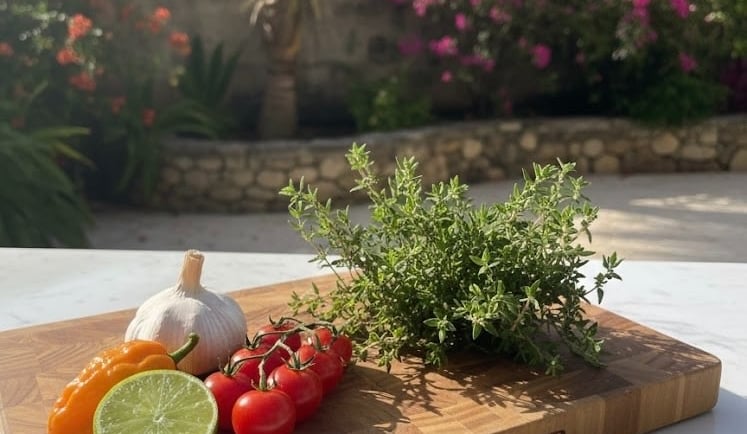
If you've ever wandered through a grocery store's herb aisle, you may have encountered one of the most beloved herbs in kitchens worldwide—thyme. With its robust flavor and aromatic qualities, thyme is not just a delightful addition to your dishes; it also has a rich history of medicinal use. Let's take a closer look at this fantastic herb!
Culinary Uses of Thyme
Thyme is a versatile herb that can be used fresh or dried, making it a staple in many households. Its earthy flavor complements a wide range of dishes, from hearty stews to delicate seafood. One of the most popular uses of thyme is in roasted meats, where it enhances the flavor without overpowering the dish. Additionally, thyme is fantastic in soups and sauces, providing a depth of flavor that elevates any meal.
Another great way to incorporate thyme is in herb blends. When combined with other herbs, such as oregano or rosemary, you create a wonderfully aromatic seasoning that's perfect for marinades and rubs. Don't forget to sprinkle a bit of thyme on your vegetables before roasting; they will carry a delightful fragrance and taste!
Thyme in Traditional Medicine
Beyond the culinary world, thyme has been renowned for its medicinal properties for centuries. Traditionally, it was used to help with various ailments, including respiratory issues, digestive problems, and even as an antiseptic. Today, many people still swear by thyme tea for soothing throat irritations and coughs. The essential oil of thyme, containing thymol, is known for its antibacterial properties and is often used in natural remedies.
Furthermore, thyme is loaded with antioxidants, which help combat free radicals in the body, promoting overall health. Its anti-inflammatory properties also make it a popular choice for reducing inflammation and easing discomfort. Incorporating thyme regularly in your diet can be a flavorful and beneficial step towards improved well-being.
How to Grow Thyme
If you're interested in having fresh thyme at your fingertips, growing it at home is quite accessible. Thyme is a hardy herb that thrives in sunny spots with well-drained soil. You can plant thyme in your garden or even in pots on your balcony. When growing thyme, ensure it's not overwatered, as it prefers drier conditions.
This herb is perennial, meaning it will return year after year, making it a rewarding addition to any herb garden. Regular pruning will encourage bushier growth and prevent the plant from becoming woody. Just think about the convenience of stepping outside and snipping some fresh thyme for your cooking!
Conclusion
Thyme is more than just a pretty herb; it's a culinary powerhouse and a medicinal ally. Whether you enjoy it in your favorite recipes or take advantage of its health benefits, thyme deserves a prominent place in your kitchen. Give it a try—your taste buds and your well-being may just thank you!
Get seasonal planting tips and garden-to-table recipes delivered to your inbox.
Copyright © 2026 Spice and Savour